This season, I’ve been thinking a lot about how we build relationships with food - especially with kids.
I have a three-year-old who is very selective with what he eats, and a seven-year-old who is more adventurous but still developing his food preferences. Like many families, we move through phases where meals feel easy and familiar, and others where even getting a bite of something green or new can feel like a small negotiation.
This spring, I wanted to gently shift that dynamic - not with pressure, but with curiosity.
Inspired by the rhythm of the season and the abundance of fresh produce here in Nebraska, we started a simple practice: choosing one new vegetable every week or two and exploring it in as many ways as possible.
Not to “get them to eat vegetables,” but to get to know them.
We’ve been trying them raw, roasted, steamed, blended into familiar meals, and sometimes just tasting them plainly on the cutting board. The goal isn’t perfection - it’s exposure, repetition, and familiarity over time.
So far, we’ve explored turnips, kohlrabi, radish and asparagus.
Turnips surprised us the most. Roasted with oil, cinnamon and a bit of honey, they became soft and slightly sweet, almost like a milder potato. Raw, they were sharp and crisp - very different, and interesting for the kids to compare. Turnips are now part of our weekly rotation of side meals.
Kohlrabi was new for all of us. We peeled it, sliced it into sticks, and served it alongside ranch. I think I will try roasting it next!
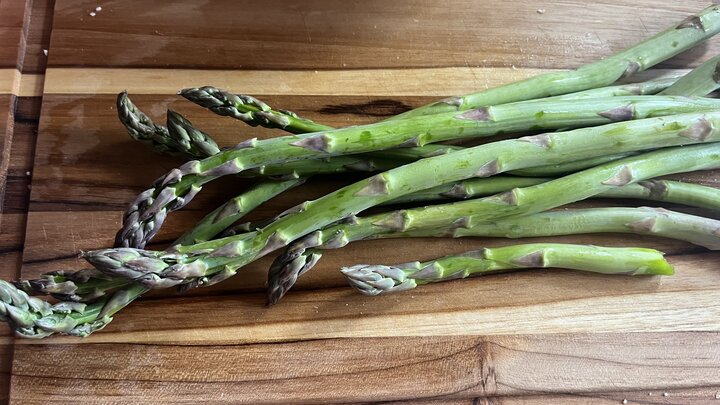
Asparagus has been the most familiar, especially in spring. We’ve roasted it simply with olive oil and salt, and also added it into scrambled eggs. It’s been a good reminder that sometimes familiarity builds acceptance more than novelty alone.
A simple way to try this at home
If you want to try something similar in your own kitchen, here’s a gentle starting point:
1. Choose one seasonal vegetable
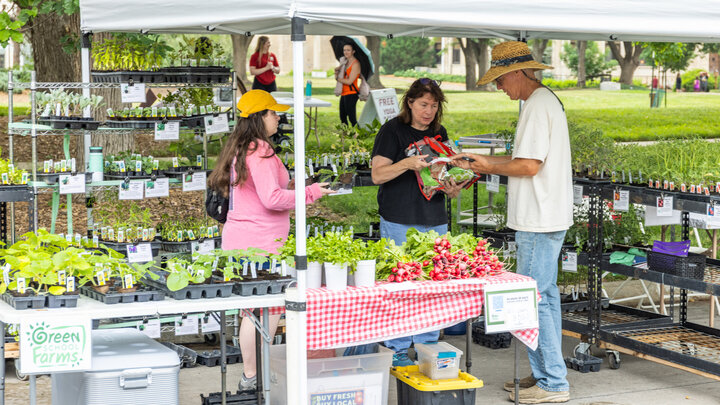
Pick something local and in-season - farmers markets are perfect for this. Kids LOVE shopping for new things at the market. Let them guide the way - point out all the different colors and shapes. Start simple with one new-to-you or less familiar vegetable. Find a local farmer near you with our Online Food Guide!
2. Keep it for about two weeks
This gives enough time for repetition without pressure (for the kids or YOU as the adult making the recipe!). This felt like an achievable goal for me as a mom - because I also needed to learn how to cook the vegetable in ways that are most appealing to kids.
3. Prepare it in 1 - 2 different ways
Try one raw version, one cooked (roasted or steamed), or one familiar format (mixed into pasta, eggs, or soup). Need some recipe inspiration? Check out https://food.unl.edu/recipes/.
4. Include your children in small ways
Let them wash it, cut it (age-appropriate), smell it, or choose how it’s cooked. Even small involvement builds connection.
5. Offer it without pressure
It doesn’t need to be eaten or liked right away. Even touching the new vegetable is good engagement. The goal is exposure, not performance. I like this article from Kids Eat in Color (it is for radishes, but can be applied to any food: https://kidseatincolor.com/radish/)
What I’ve noticed most is that this isn’t solely about vegetables at all - it’s about relationship with our food. Each time we bring something new into the kitchen, there’s a small moment of hesitation, then curiosity, then sometimes acceptance. Even when a food isn’t immediately liked, it becomes part of their food memory.
And over time, that matters.
We’re not trying to create perfect eaters in our home. We’re trying to create flexible ones - kids who recognize foods, trust their senses, and feel safe enough to try again another day.
Choosing vegetables locally and seasonally has also helped ground this practice. There’s something meaningful about bringing home what is actually growing right now in Nebraska - what’s fresh, available, and connected to our place.
It makes food feel less like something abstract or packaged, and more like something alive and changing.
Next on our list is still unfolding, depending on what we find at the market. My youngest is excited about trying sugar snap peas. But the rhythm will stay the same: one vegetable, two weeks, many ways of trying it, no pressure to like it- just space to explore it.
It’s a small practice, but it’s changing how we sit at the table.